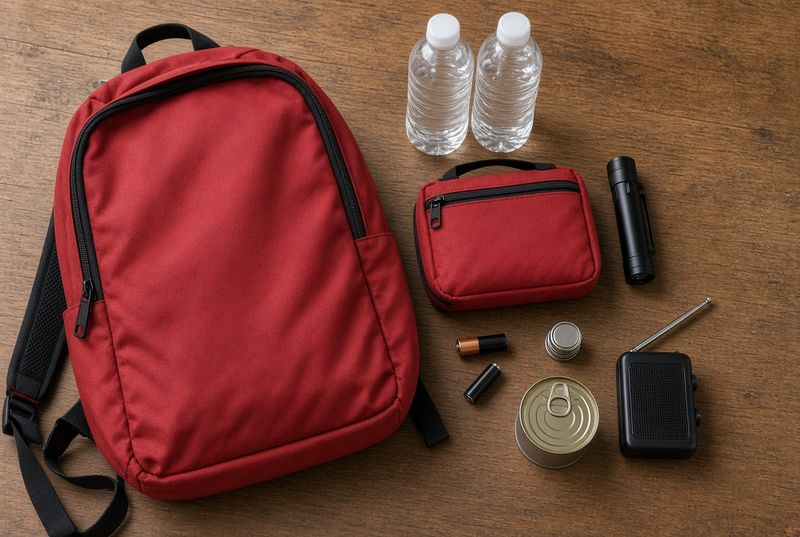
Household and field readiness: water, calories, comms, medical, and a written exit. Gear links go to Survival Frog.
Higher Vantages is based in Pierce County, and this emergency preparedness guide is written for households across the county. Western Washington has real hazards to plan for: a Cascadia Subduction Zone earthquake, lahars from Mount Rainier, wildfire smoke, and winter windstorms that can knock out power for days. Below you'll find a printable 72-hour emergency kit checklist, how much water to store, emergency radio and backup power basics, a family evacuation plan, and links to official sources like Ready.gov, Washington Emergency Management, and Pierce County Emergency Management. Start with three days of supplies, then work toward being 2 Weeks Ready.
Some links on this site may be affiliate links, and Higher Vantages may earn a commission on purchases at no extra cost to you. We only recommend products we’d use ourselves.
Build one kit for the house and a smaller one for each vehicle. Ready.gov's baseline is enough food, water, and supplies to last several days on your own; Washington Emergency Management asks residents to work toward being 2 Weeks Ready. Start with three days, then extend. Tick boxes as you pack (checks are not saved; print the page for a paper copy).
Food for your kit: our emergency food storage guide covers how much to store per person, what lasts, and a 2-week checklist.
Checklist adapted from Ready.gov: Build a Kit.
Multiply people by days. A family of four needs 12 gallons for three days, or 56 gallons for two weeks. Store more for hot weather, nursing mothers, children, people who are ill, and pets.
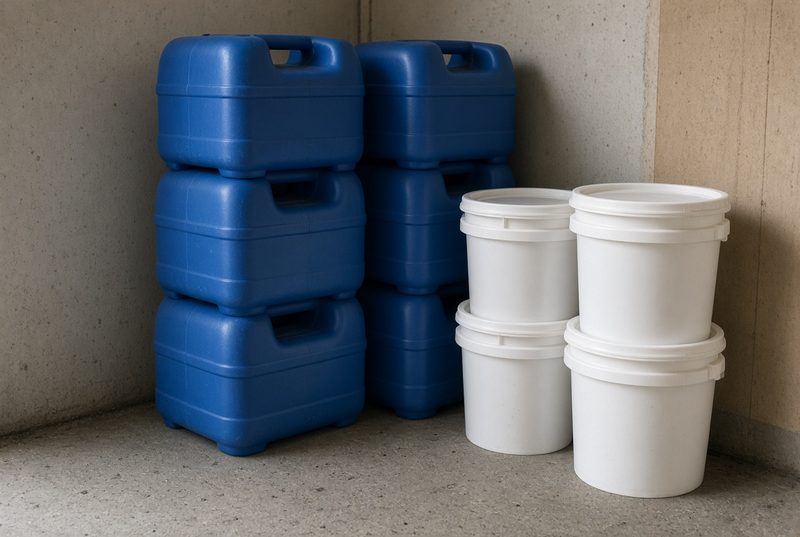
Commercially bottled water is the simplest option: keep it sealed in its original container in a cool, dark place. If you fill your own, use food-grade water containers. Wash them with dish soap, then sanitize with 1 teaspoon of unscented liquid chlorine bleach per quart of water before filling with chlorinated tap water.
Replace water you bottled yourself every six months. Put a date on every container when you fill it, and set a calendar reminder. Rotate store-bought water by its date.
Ready.gov: use regular unscented household bleach containing 5.25 to 6.0 percent sodium hypochlorite. Add 1/8 teaspoon per gallon, stir, and let it stand 30 minutes. It should smell slightly of bleach. If it does not, repeat the dose and wait 15 more minutes. If it still does not smell of chlorine, throw it out and find another source.
Source: Ready.gov: Water.
After a big earthquake or windstorm, power may be out and cell networks overloaded. Plan to get warnings, charge a phone, and reach family without relying on one system.
Sources: Ready.gov: Power Outages, Ready.gov: Alerts, NOAA Weather Radio.
A first aid and CPR class makes the kit useful. The American Red Cross offers in-person and blended classes. If 911 is overwhelmed after a big earthquake, you may be the first help your family and neighbors get.
A written plan matters as much as the kit. Sit down with your household and answer these questions, then write it down and put a copy in every kit.
Sources: Ready.gov: Make a Plan, Ready.gov: Evacuation, Ready.gov: Pets.
Across Pierce County, the main hazards are earthquakes, Mount Rainier lahars, wildfire smoke, and winter storms. Each one calls for different steps.
Western Washington sits above the Cascadia Subduction Zone and shallow crustal faults, and it has deep earthquakes like the 2001 Nisqually quake. None of these can be predicted.
The U.S. Geological Survey calls lahars (volcanic mudflows) the greatest potential volcanic hazard at Mount Rainier. Lahars can happen with or without an eruption. They follow river valleys, so valley floors are at highest risk. In Pierce County that includes the Puyallup River valley through Orting, Sumner, and Puyallup. Even if you live on higher ground, daily trips into those towns can cross valley floors.
Sources: Ready.gov: Earthquakes, WA EMD: Earthquakes, WA EMD: Volcanoes, Ready.gov: Wildfires, Ready.gov: Winter Weather.
At least one gallon per person per day, for drinking and sanitation. Start with three days, then work toward two weeks, which is Washington EMD's goal. Add extra for pets, hot weather, and anyone who is nursing or ill.
Replace water you bottled yourself every six months. Keep commercially bottled water sealed and rotate it by its date. Check food and medication expiration dates at the same time. Doing it twice a year makes it easy to remember.
It's a starting point. After a major Cascadia earthquake, roads, bridges, and utilities could be out much longer than three days. That's why Washington asks residents to be 2 Weeks Ready. Build the 72-hour go-bag first, then add supplies at home over time.
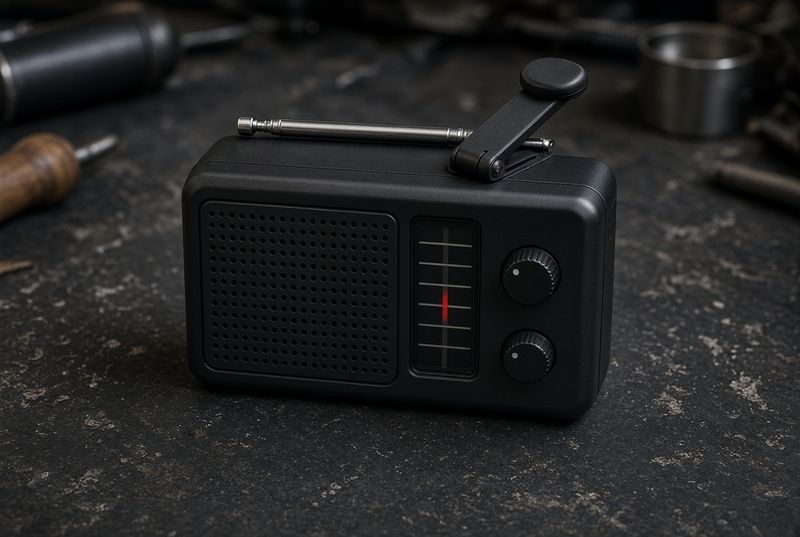
Ready.gov recommends a battery-powered or hand-crank radio plus a NOAA Weather Radio with tone alert. Many emergency radios do both and add a flashlight and USB charging. Look for one that receives NOAA weather channels and can be set to alert you automatically.
Check the lahar hazard map on USGS: Volcanic Hazards at Mount Rainier, and the evacuation routes on Pierce County’s Mount Rainier page. If you live, work, or go to school on a valley floor downstream of Rainier, learn your route to high ground and sign up for Pierce County ALERT.
Ready.gov's basic kit includes water (one gallon per person per day), non-perishable food, a battery-powered or hand-crank radio and a NOAA Weather Radio, a flashlight, extra batteries, a first aid kit, a whistle, a dust mask, plastic sheeting and duct tape, moist towelettes and garbage bags, a wrench or pliers to turn off utilities, a manual can opener, local maps, and a phone charger or backup battery. Add prescriptions, copies of important documents, cash, and supplies for kids and pets. Use the 72-hour emergency kit checklist above.
Move off the valley floor to high ground right away, by car or on foot, and don't stop to look. Follow the posted evacuation routes, then follow instructions from Pierce County Emergency Management and local officials. Learn your high-ground route from home, work, and school before you ever need it.
Drop, Cover, and Hold On. Drop to your hands and knees, cover your head and neck under a sturdy table or desk, and hold on until the shaking stops. Don't run outside during shaking. If you're outdoors, move away from buildings, trees, and power lines. Expect aftershocks once the shaking stops.
Western Washington is wet. Documents, spare clothes, electronics, and first aid supplies are useless once soaked. A dry bag or waterproof pouch inside your kit keeps them usable in rain, floodwater, or a leaky car trunk.